from Game Blog

Research topic for 2022: GAME continues with investigating the effects of light pollution on marine benthic organisms

While the GAME teams of this year are still collecting data about the influence of artificial lighting at night (ALAN) on benthic grazers such as sea urchins and snails, it has now been decided that ALAN will also be the GAME research subject in 2022 and 2023. These projects will be funded by the Klaus […]

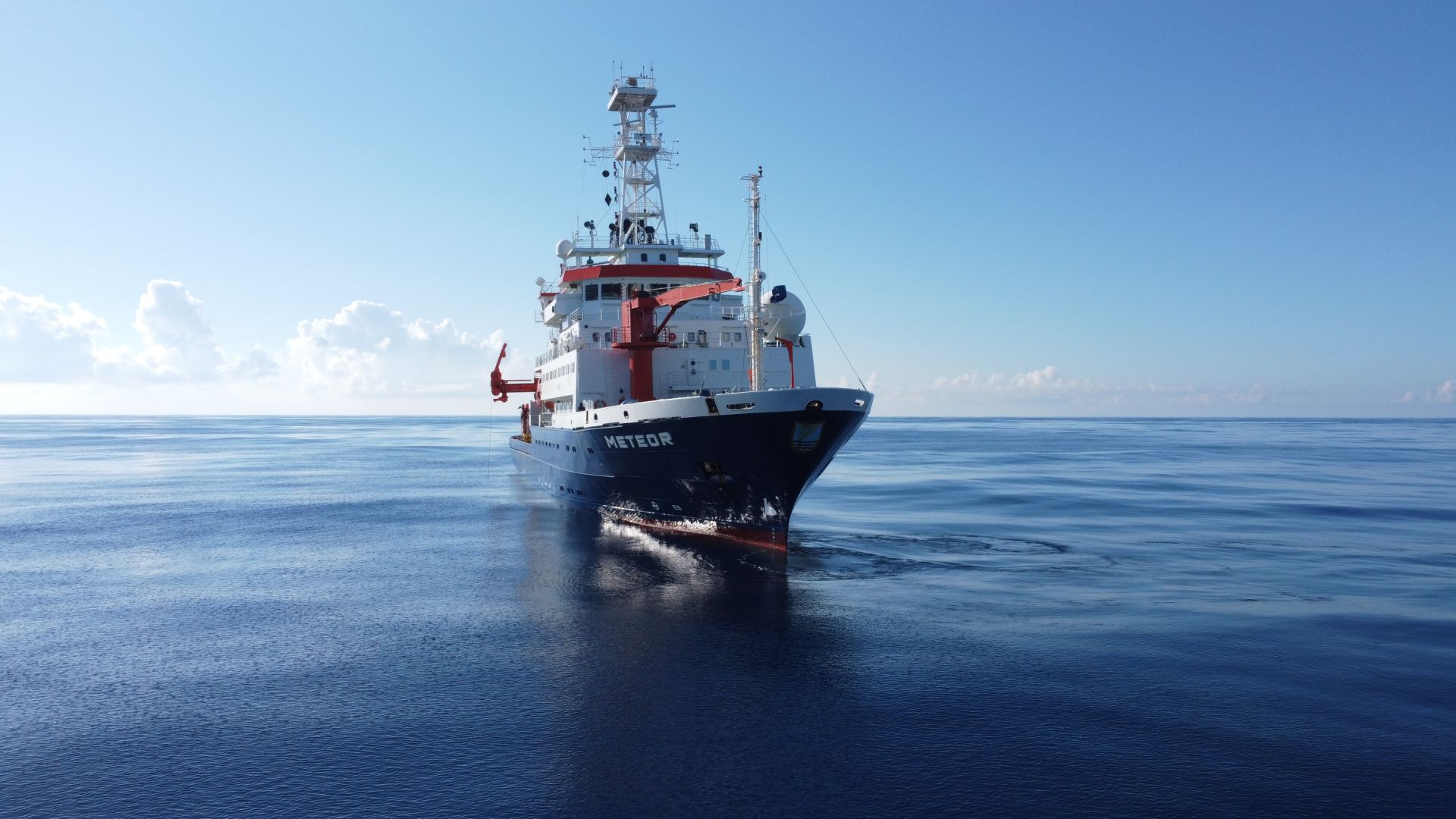
M176/2 Tiny seafloor inhabitants close to the rainbow vent

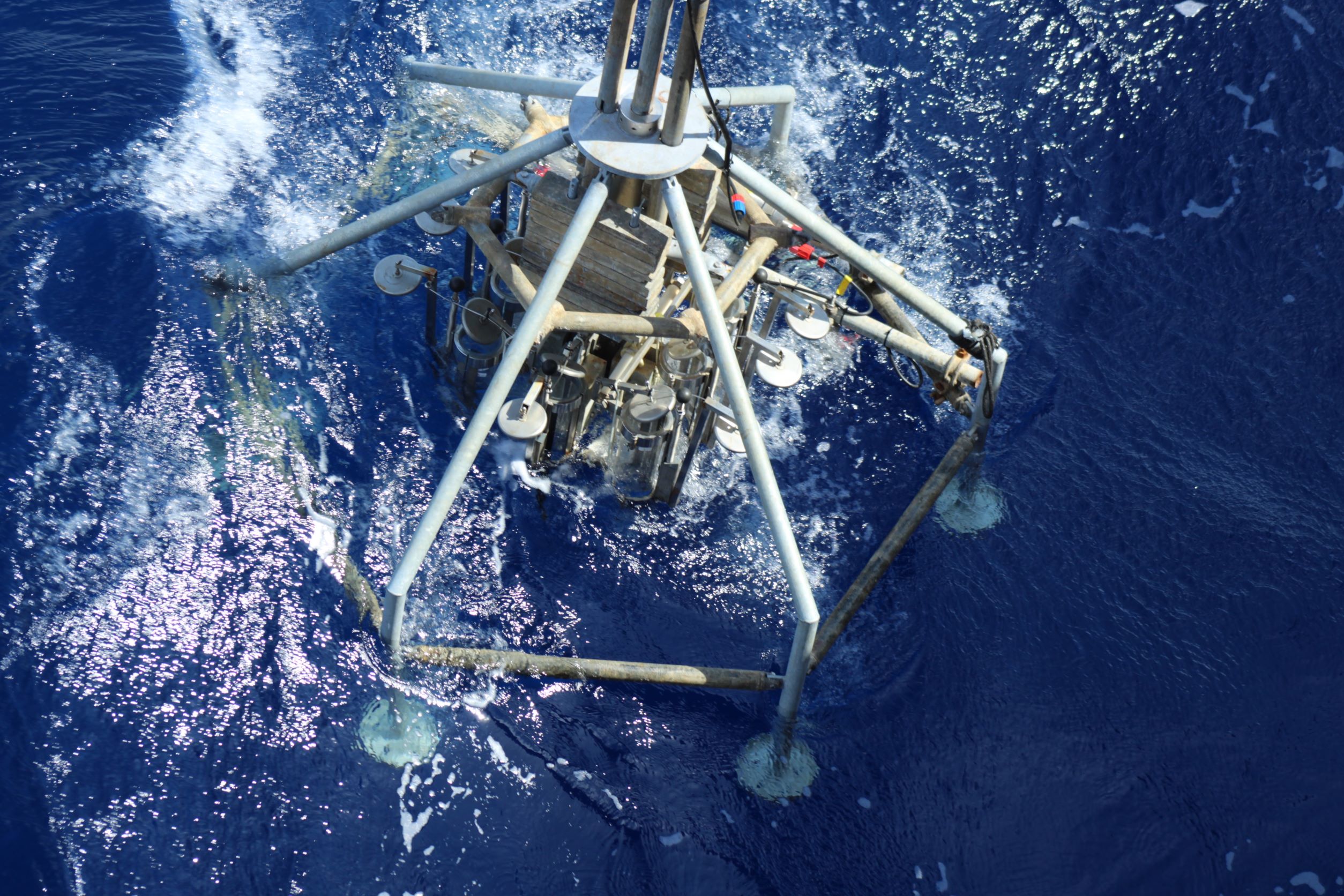
It is the fourth day since we arrived at our research location in the middle of the Atlantic: The Rainbow Plume. The Multicorer, or short “MUC” just arrived its final destination at 2300m water depth. Now the wire that holds the MUC tightens again and the winch slowly starts pulling the device back on board. […]

World premiere!

After three packed days of sampling today the treatment of the mesocosms was done. Treatment means the change of the water alkalinity within the mesocosms. In the end, each of the mesocosms has a different level of alkalinity with the highest level double the natural concentration. This is a world premiere for ocean alkalinity enhancement […]

Starting a mesocosm experiment on ocean alkalinity enhancement

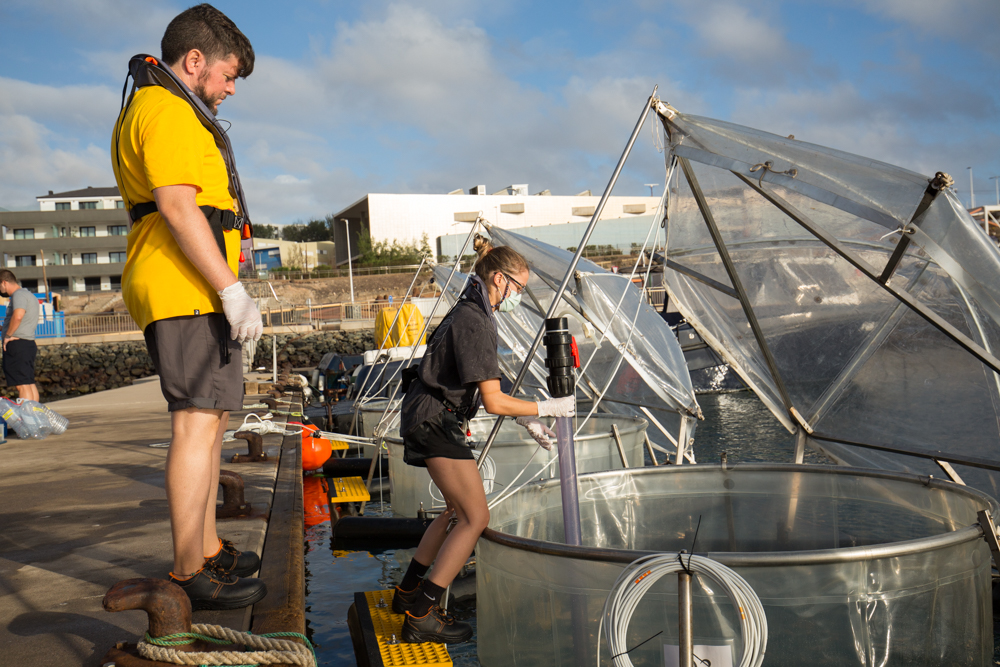
A mesocosm, in our case, is a huge translucent plastic bag anchored in the sea, with the only opening being well above sea level. In these bags, we can simulate, in this experiment, ocean alkalinity enhancement (OAE) and study its efficiency and possible impacts it would have on a plankton community under natural conditions; but […]

M176/2 Hydrothermal Plume Geochemical study: RainbowPlume

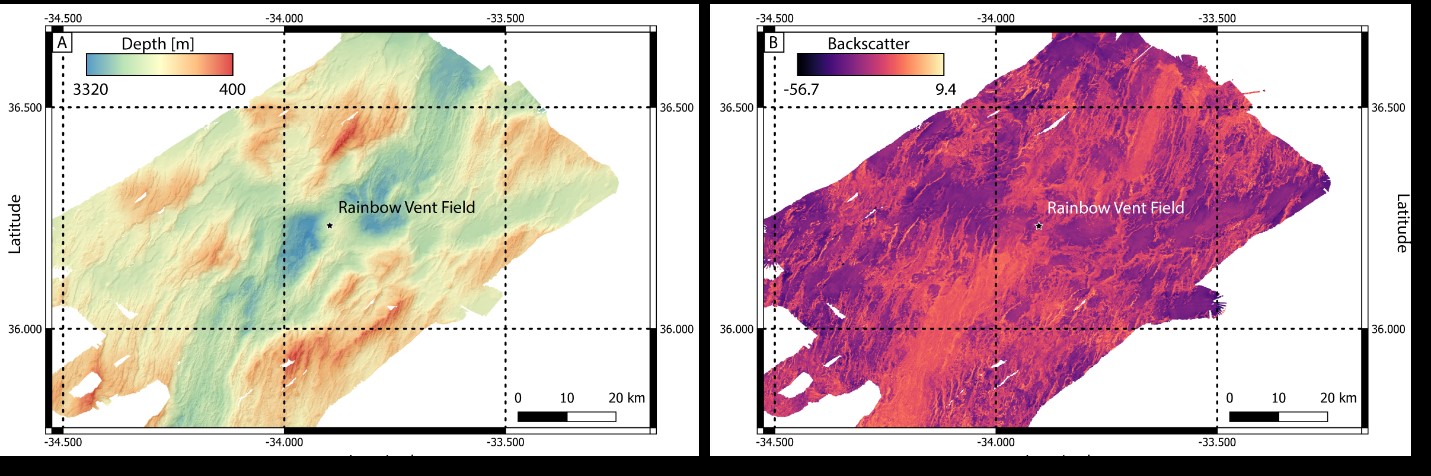
The cruise M176/2 is part of the International GEOTRACES Programme as a process study. The overall aim of cruise M176/2 is to conduct a detailed geochemical sampling of the hydrothermal plume at the Rainbow vent field located at 36°13.80 N, 33°54.14 W on the Mid-Atlantic Ridge (MAR). The deep ocean work will be complimented by […]

It’s time to clap!

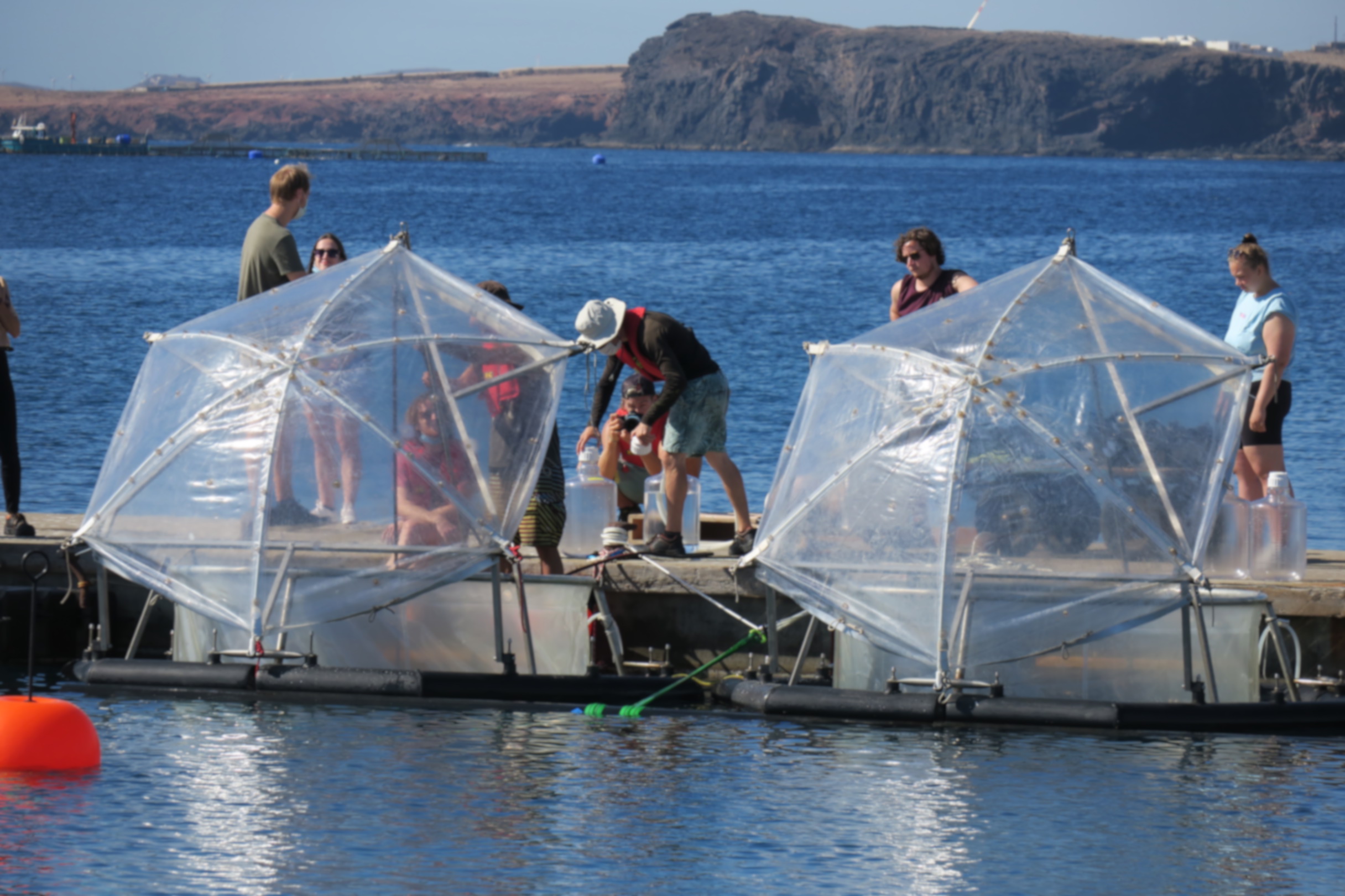
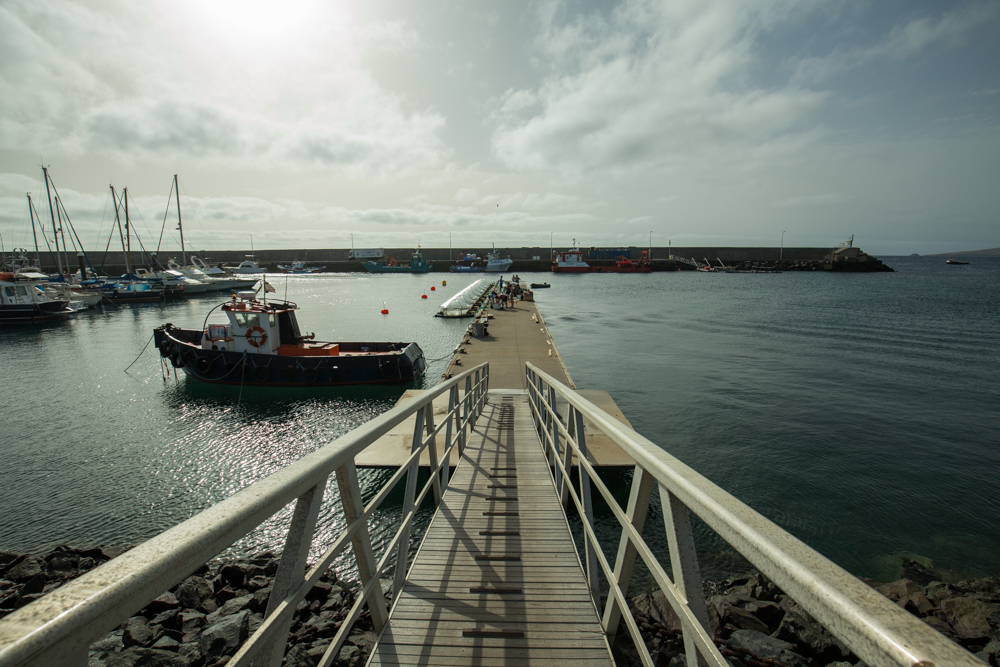
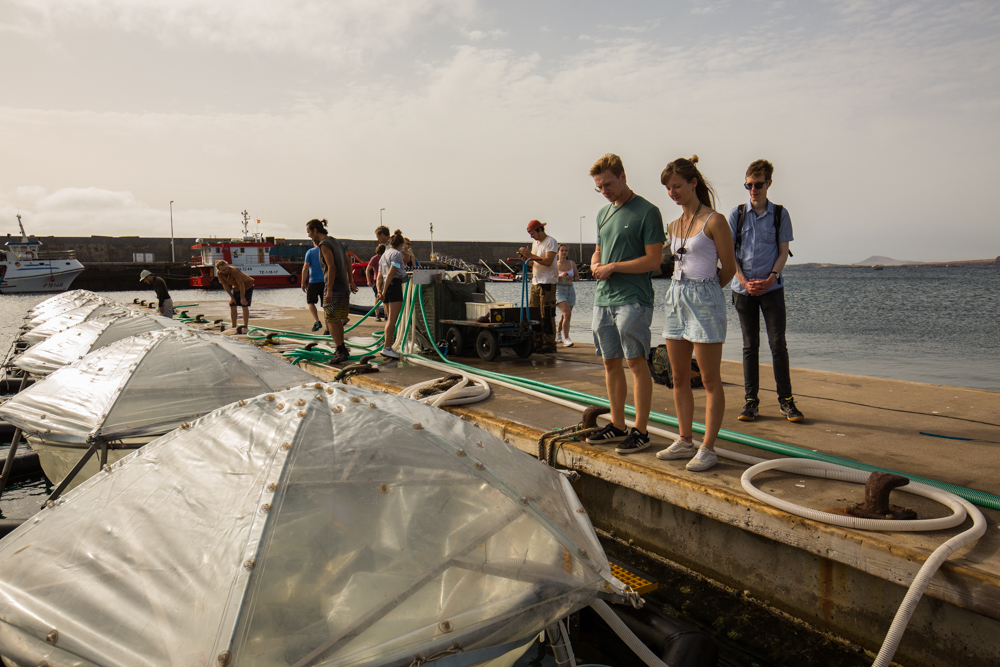
The mesocosms are filled!  The boat PLOCAN uno set anchor outside the harbour of Taliarte. A long tube connects the boat to the mesocosms. Via this tube, sea water gets pumped by a peristaltic pump on the boat to the pier. Here, it is split equally to the nine mesocosms. This year a new equipment was developed […]

Ready to start!

After many months of preparation, uncountable hours of organization, and successfully mastered challenges, finally all researchers and technicians have arrived on the island. During the past weeks, many helpers set up the laboratories and the mesocosms at the pier. Boxes full of equipment from petri dishes to flow cytometers were carried around and unpacked, lots […]

Diving at the mesocosms #1: Jochen & Heavy metal

A KOSMOS study is not meaningful without brain-racking scientists, and not feasible without focused and skilled technicians, but some work can only be done by brave scientific divers. Okay, it’s not super brave to jump into 24°C crystal-clear water surrounded by a bouquet of colorful fish, crabs and nudibranchs – but it´s still hard work […]

The competitive teamplayer – interview with marine biologists Allanah Paul and Kevin Becker

Working in ocean science sometimes resembles tip-toeing through a mine field. On the one hand one is supposed to be a good teamplayer, work together with others and share data to achieve progress. On the other hand one is supposed to be competitive and achieve a high number of scientific publications. Publish or perish.The competitive […]