Experimente an Bord

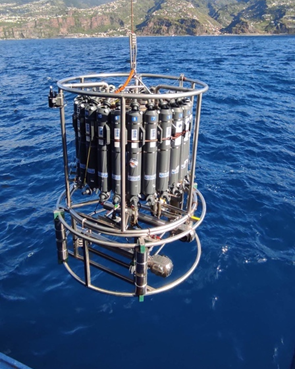
Geschrieben von Clara Winguth, Masterstudentin am GEOMAR Übersetzung von Josefine Karnartz, Doktorandin am GEOMAR Wenn ihr schon mal einen Blick auf die biologischen Ozeanographie-Wissenschaftler*innen auf der SO307 geworfen habt, sind euch vielleicht unsere modischen Polar-Anzüge aufgefallen, während wir uns in die rot beleuchteten Klimalabore zurückziehen. Und dabei dachtet ihr euch: „Was geht hier denn ab?“ […]

Aliens from the deep

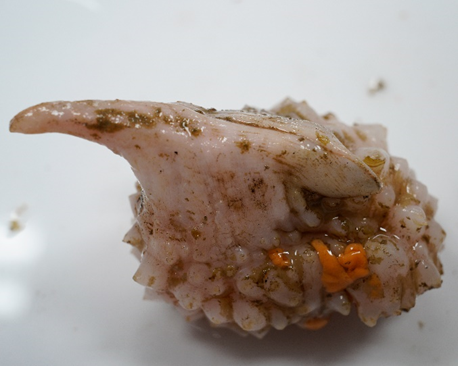
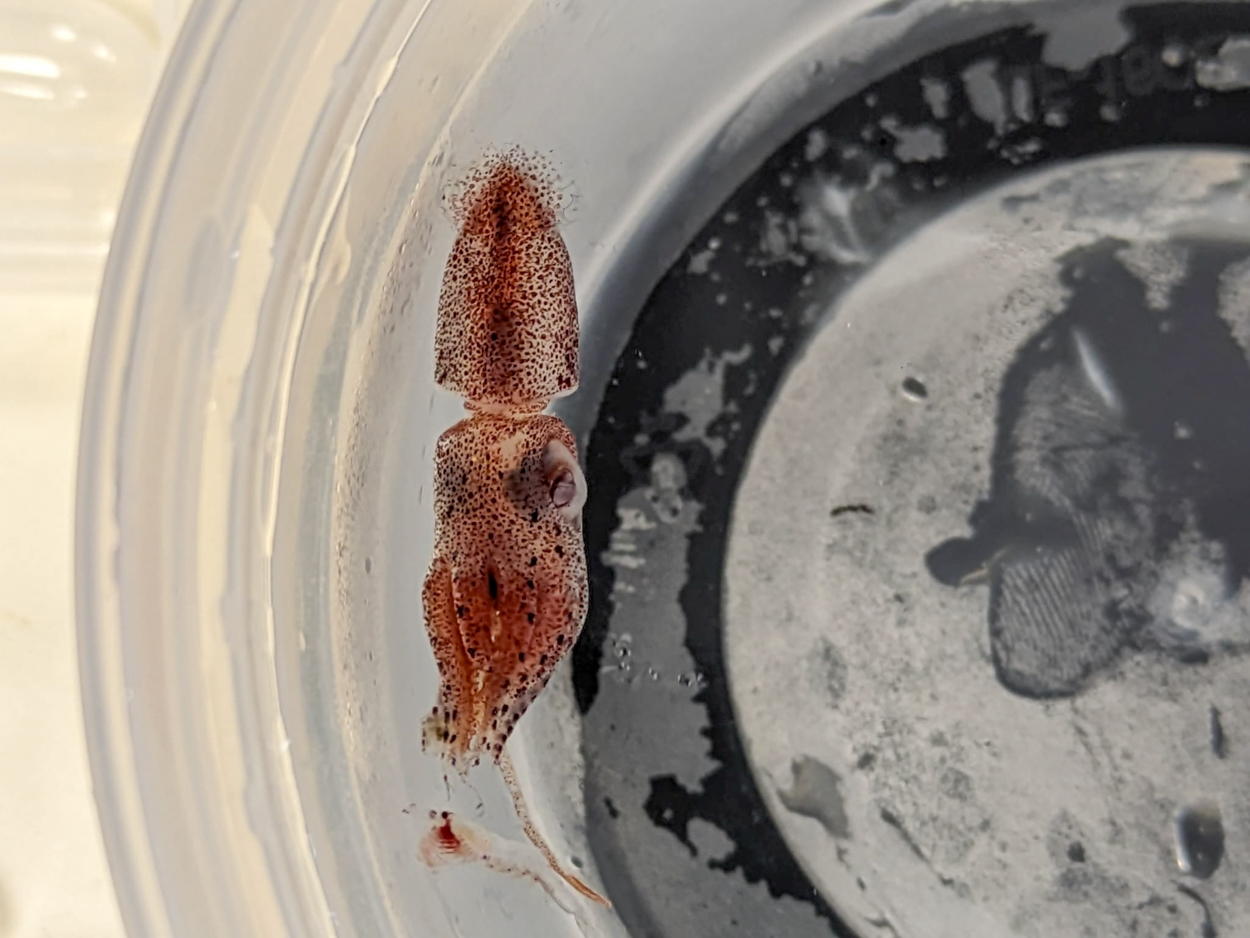
Written by Dr. Carsten Lüter, Museum für Naturkunde, Berlin. The deep sea is full of weird looking creatures which through the course of evolution have adapted to the inhospitable conditions of their environment such as eternal darkness, low temperatures, high pressure and the erratic availability of food. We biologists onboard the SONNE are particularly interested […]

Aliens aus der Tiefe

Geschrieben von Dr. Carsten Lüter, Museum für Naturkunde, Berlin. Die Tiefsee ist voll mit seltsam anmutenden Wesen, die sich im Laufe der Evolution an die unwirtlichen Bedingungen dieses Lebensraums angepasst haben: ewige Dunkelheit, tiefe Temperaturen, hoher Druck und sporadische Verfügbarkeit von Nahrung. Wir Biologen an Bord der SONNE sind sehr daran interessiert, diese Diversität der […]

Siphonophores

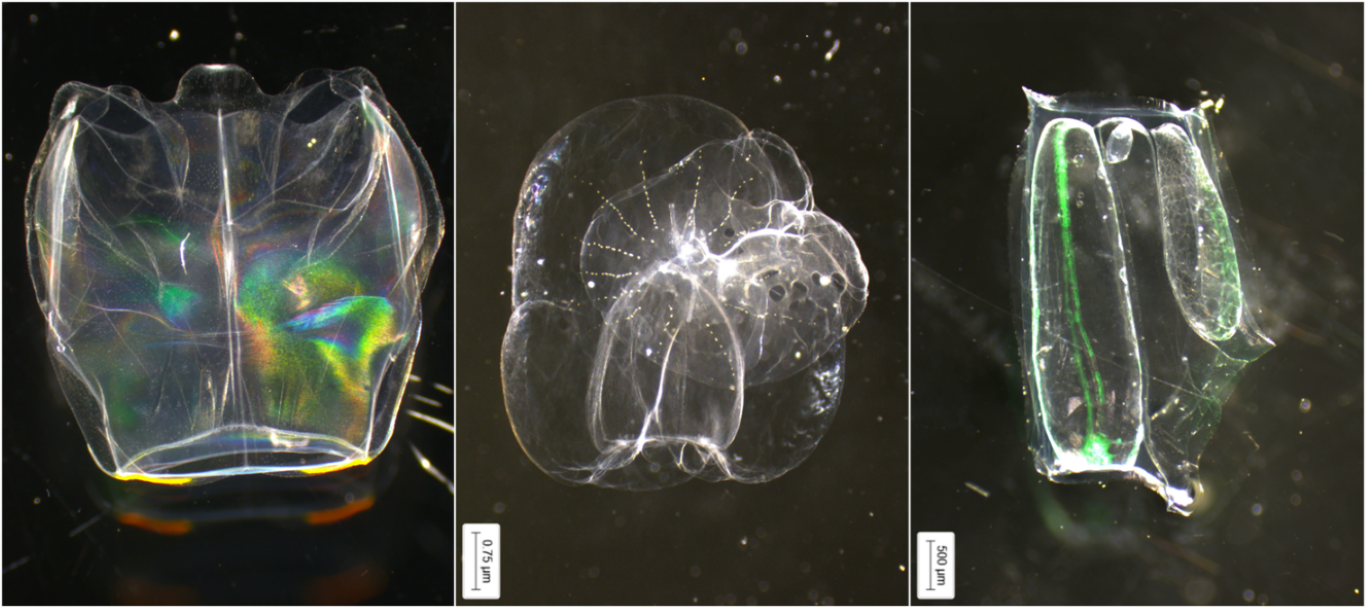
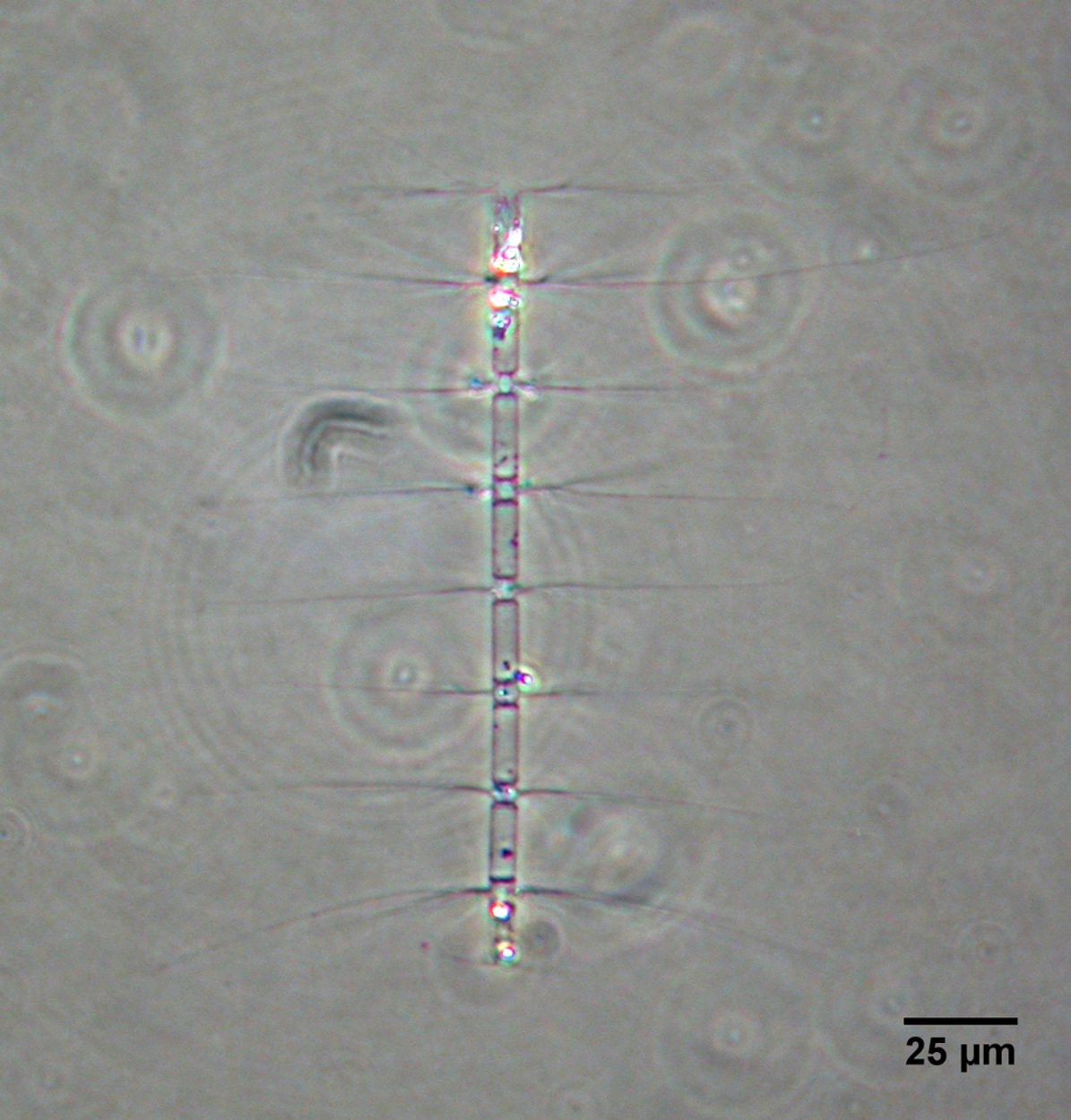
As part of our cruise MSM126 focus on the “jellyweb”, we are also interested in siphonophores. Even in the vast and mysterious world of marine life teeming with peculiar inhabitants, these distinctive creatures stand out. While they share similarities with jellyfish, particularly in having stinging cells known as cnidocysts, they do not look much like […]

Forensics in the sea

We explore the entire tree of life on the research vessel MARIA S. MERIAN: animals, algae, bacteria, and viruses. The cruise focuses on the food web and ocean biodiversity. However, some animals, especially hunters such as squid and whales, are too big, fast or camera-shy for our instruments. To detect these top predators, we search […]

from Expedition SO297 Blog

BLOG Beitrag 2: SO297

+++english version below+++ Nachdem das erste 2D-Profil nun abgefahren und die Ozeanbodenseismometer (OBS) und Hydrophone (OBH) wieder an Deck eingeholt waren, fuhren wir in das Gebiet für das zweite Experiment. Bei einem Profil werden Geräte in einer geraden Linie auf dem Meeresboden ausgesetzt. Anschließend wird das Profil mit Luftpulsern einmal abgefahren und die Signale werden […]