Intro
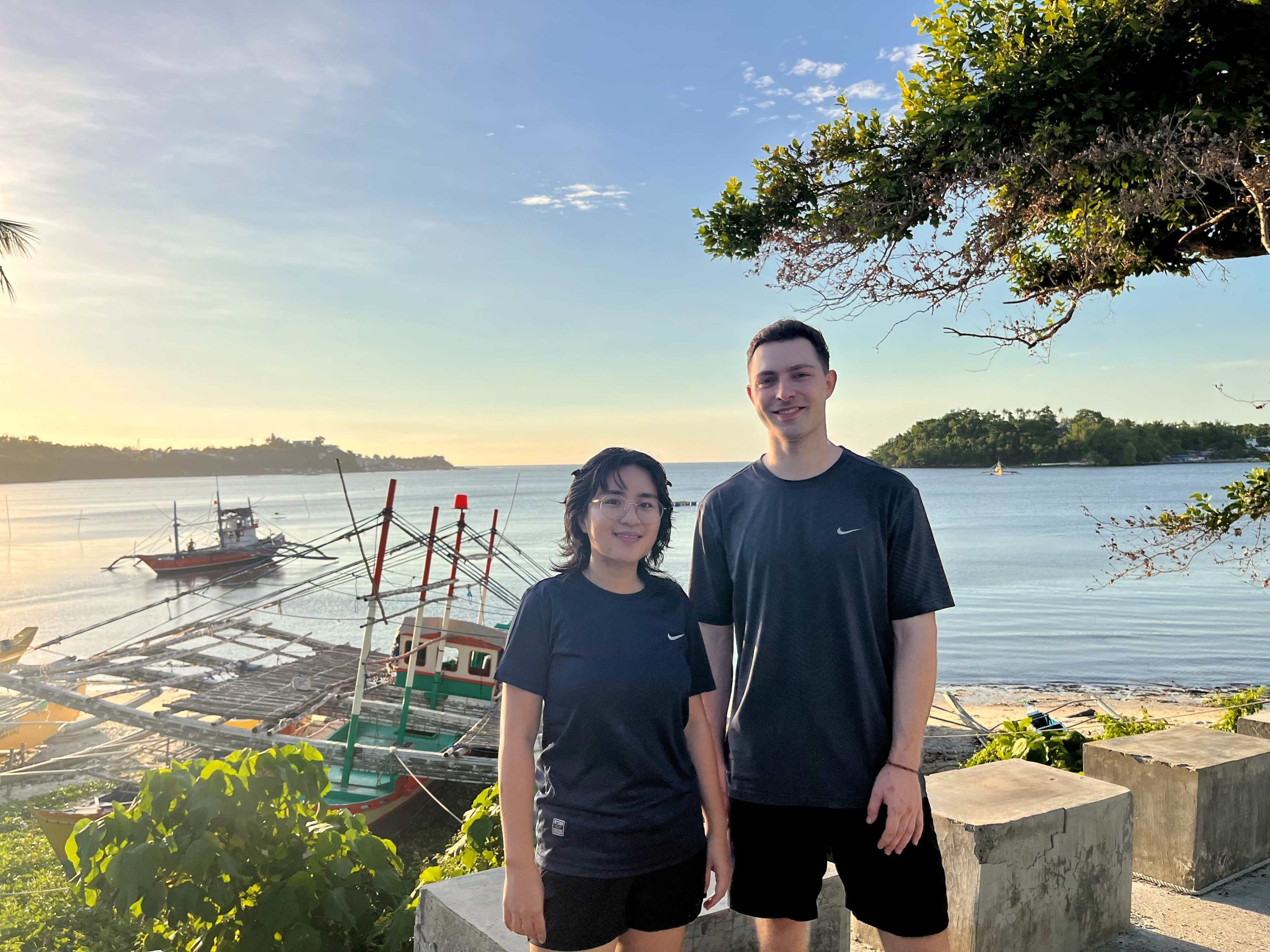
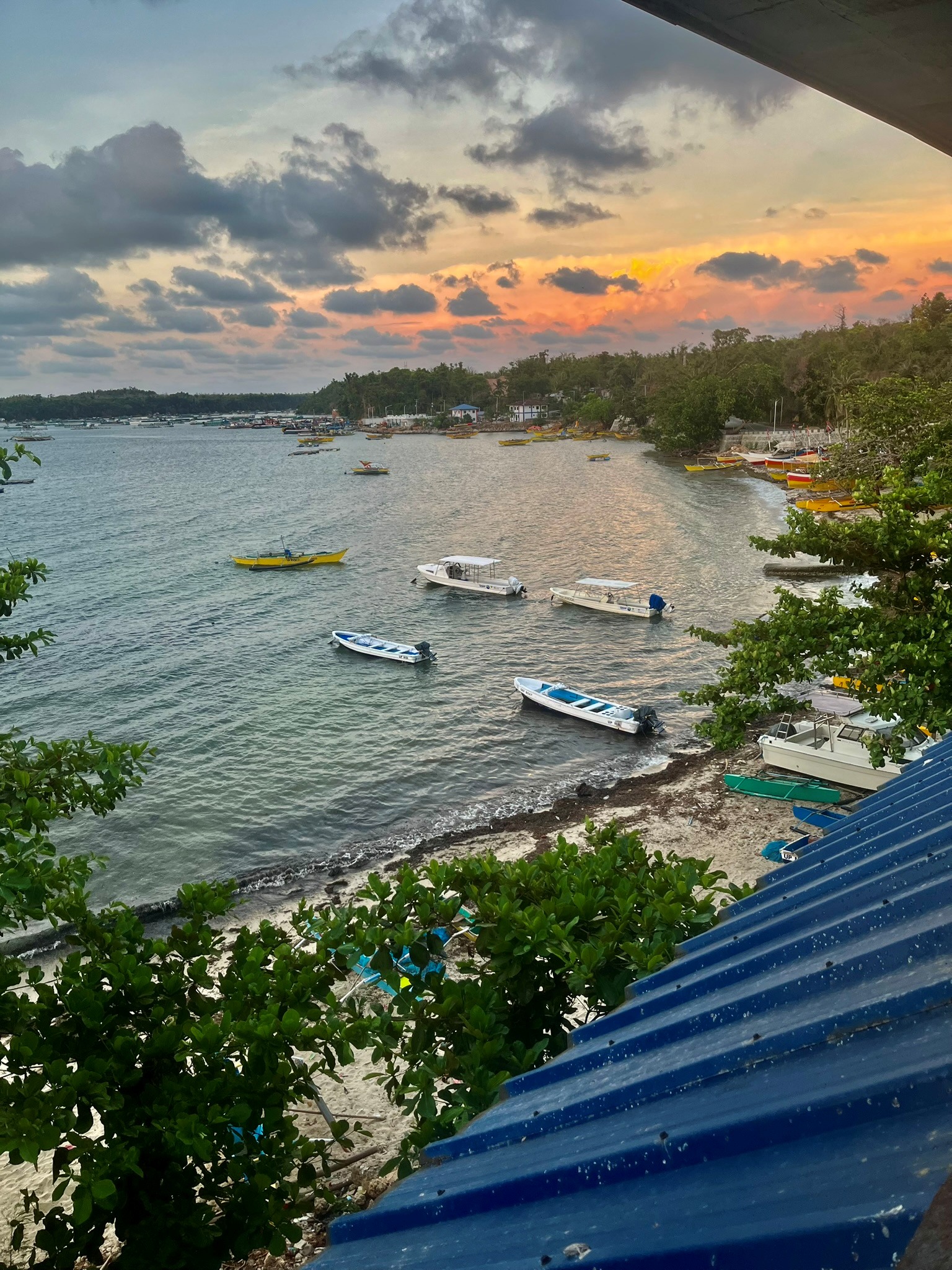
At the western tip of Luzon, which is the biggest island of the Philippines, lies the small coastal town of Bolinao. Tourists seldom find their way here as it takes around seven hours to get here by bus from Manila. Still, you can spot foreigners walking around every now and then, but they really stand out among the Filipinos. A reason for their presence is often that they study or work at the Bolinao Marine Laboratory (BML), which belongs to the University of the Philippines (UP). It is one of the seven research institutions participating in the GAME project 2026. Every year, GAME brings together Master’s students from all over the world to experience different cultures and conduct globally replicated experiments in marine ecology.
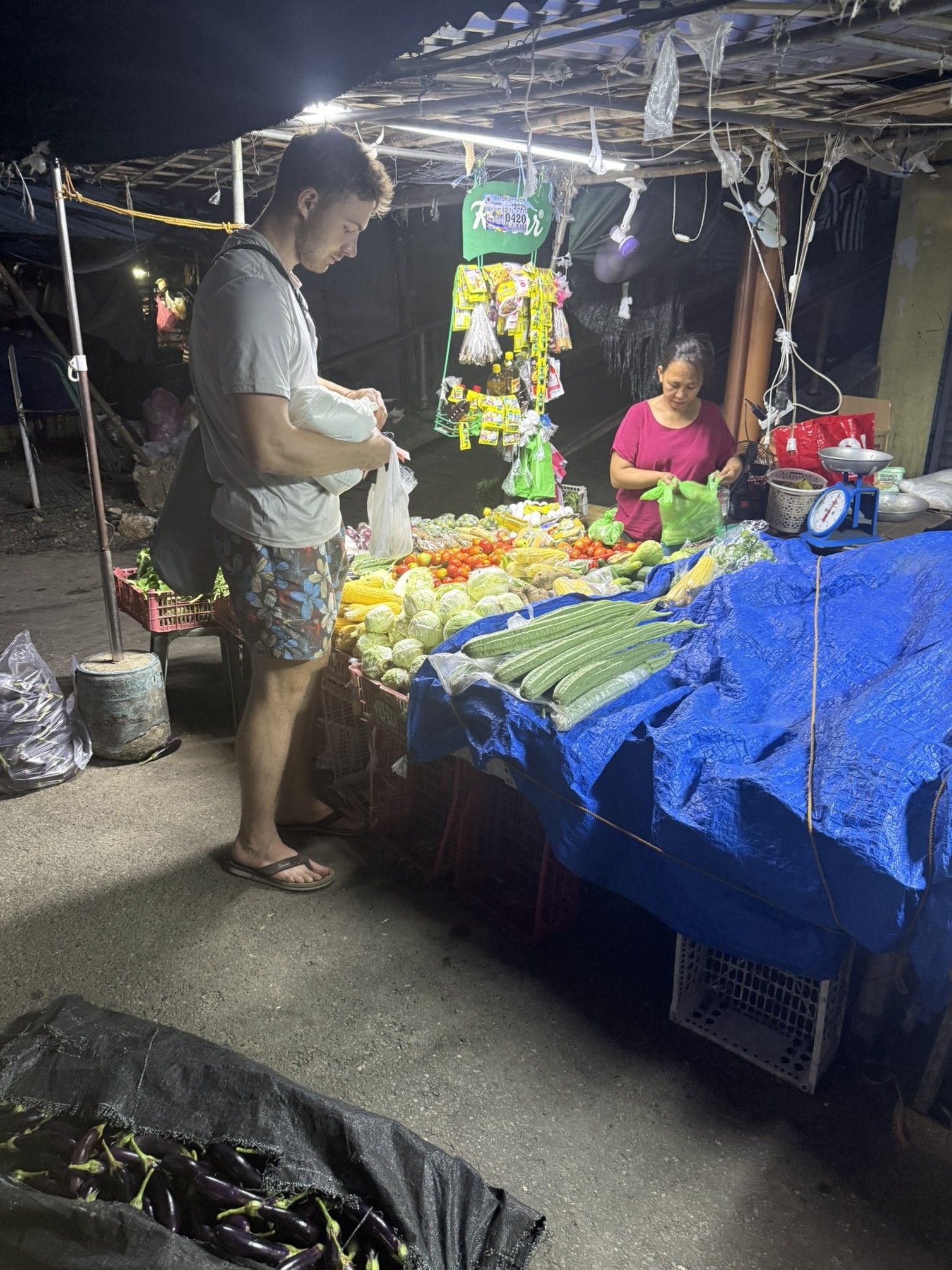
This year’s Team Philippines consists of Jona, a Filipino master student of Marine Biology at the University of the Philippines, and Konstantin, a German student who is enrolled in the Master programme „Ecology and Evolution“ at Freiburg University. As part of GAME 2026, we are currently staying at BML for 6 months to run experiments about the influence of underwater soundscapes on the colonization of marine hardbottoms.
Where are we?
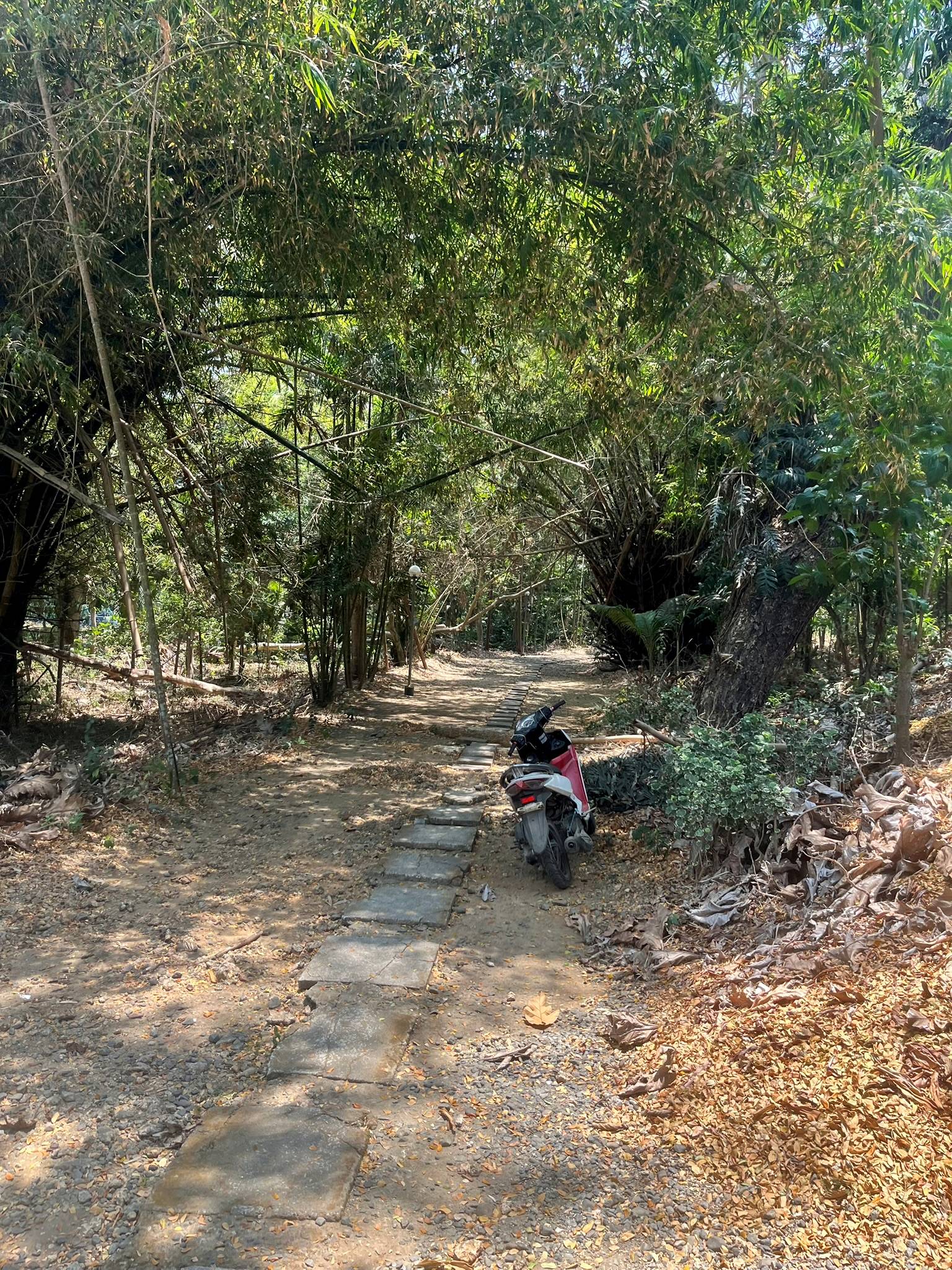
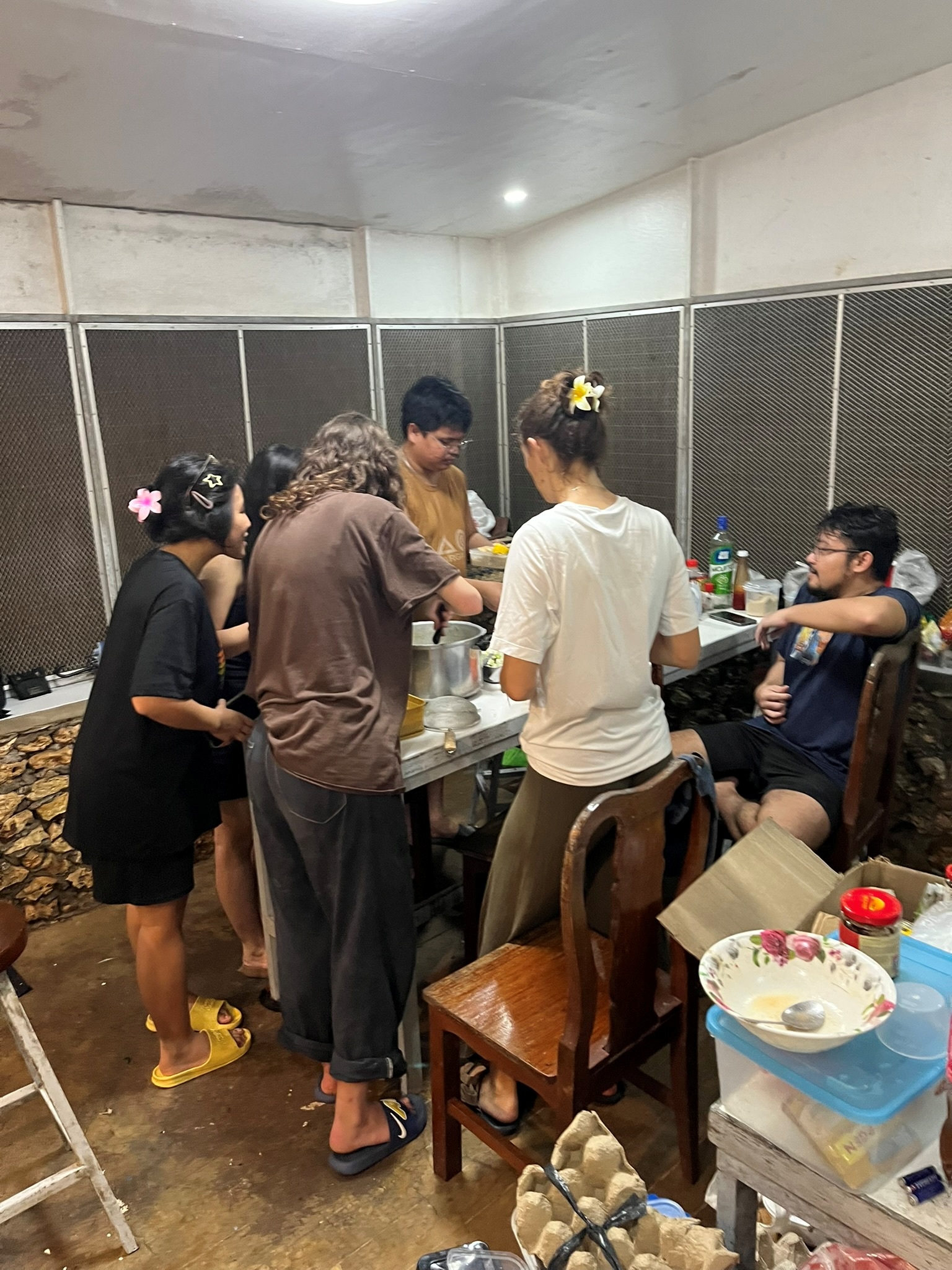
At the BML, we live in a dormitory together with many other students and scientists mostly from the Philippines and a few international interns. At almost any time of the day there is someone in the kitchen to hang out with, eat together, or simply have a chat. It is easy to make friends in this little community. The way to work is just a short walk along a forest path, where we can pick mangos for a snack and spot butterflies, birds, or even wild macaques climbing through the trees. After crossing a street, we reach the institute. But instead of enjoying the cool temperatures of the laboratories, we spend most of our working days outside, doing fieldwork in or near the water.
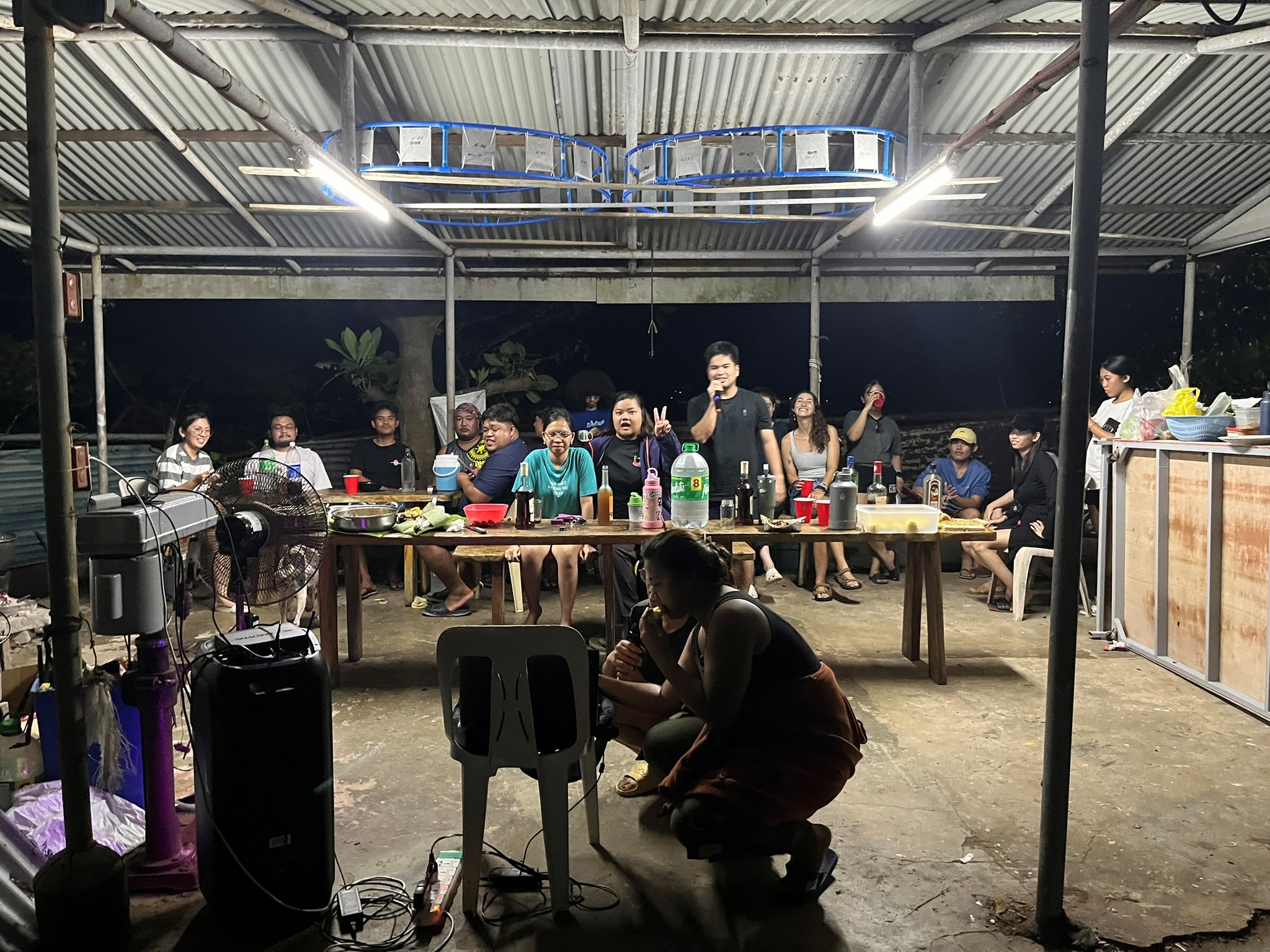
On Fridays, Konstantin experiences real Filipino culture during an almost weekly party at the institute with karaoke and lots of food and drinks. And Jona even brought some German culture to the Philippines by baking German bread for everyone.
What do we do?
Even though Bolinao is a remote place, it can get quite loud. Tricycles and jeepneys pass by, children play basketball in the streets, and karaoke can be heard almost everywhere and at any time. But just a few meters offshore, the soundscape changes. Beneath the surface of the ocean, you enter a world filled with sounds that are not so familiar to humans. When you dive down, alongside the rhythm of your own breathing, you might hear the crackling snaps of shrimp, the grunts of fish, or the rumble of waves rolling overhead. Together, these sounds form a natural underwater symphony which, however, can easily be interrupted by the noise of passing boats.
Marine organisms use sounds to communicate and to gather information about their environment, and there is growing evidence that this also applies to the larvae of sessile invertebrates such as mussels, barnacles and tunicates. During their pelagic life they are presumably able to use sounds for finding their way to suitable habitats, in which the sessile adult life stage can survive and reproduce. But what happens when these natural soundscapes are disturbed by anthropogenic noise? And what is the effect when the soundscape in a degraded reef gets enriched with sounds of a healthy coral reef?
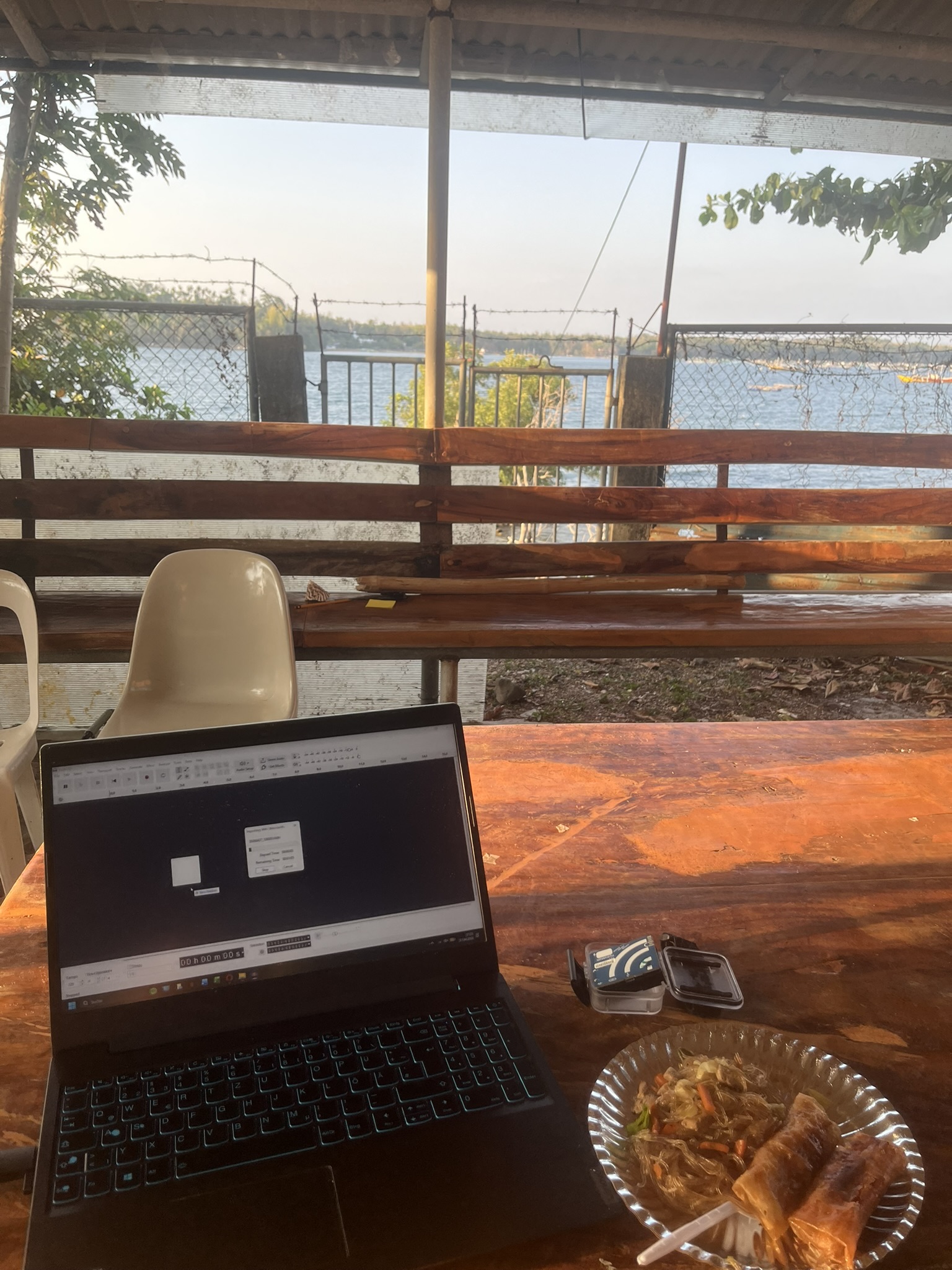
In our experiments, which we just finished a few days ago, we investigated how different underwater soundscapes influence the colonization of hard substrata by the larvae of marine invertebrates. For this, we placed PVC settlement panels in the water and exposed them to playbacks of either boat noise, or amplified recordings from healthy coral reefs. A further group of panels was not exposed to any playbacks. By comparing the communities that establish under these different acoustic conditions, we can determine whether soundscapes affect the settlement of larvae.
Challenges
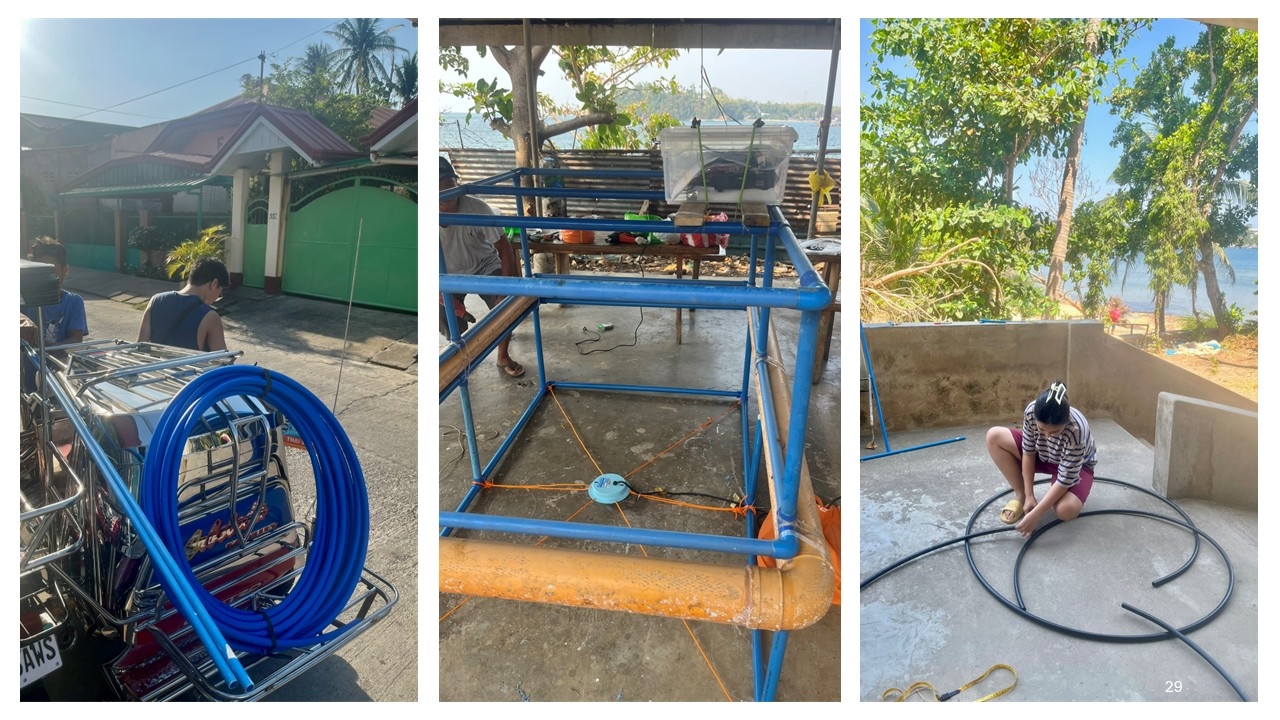
In contrast to the other GAME teams of this year’s project, we don’t have a jetty at BML. So, our first challenge was to build a setup that could carry an MP3 player for the soundscape playbacks, an amplifier, and an underwater speaker, which all need electricity supply, and position it about 30 to 50 meters away from the beach.
We ended up building a floating frame that carries the settlement panels as well as the underwater speaker, and combined it with a waterproof box, which was above the waterline and contained all the sensitive technical equipment. The box was firmly sealed so that it withstood waves and heavy monsoon rains, while its interior remained dry. At the same time, it was protected with a reflective car cover to prevent the technical equipment from overheating, as the box was constantly exposed to the burning tropical sun. To supply the set up with electricity, we – with the help of technicians and divers – rammed long bamboo poles into the seafloor and attached a cable to them that was connected to an electrical outlet on land.
As a consequence of this particular set up, every time we want accessed it, we either went snorkeling or took a boat. Hence, we had to plan our work according to the tides. We also needed to avoid the hottest hours of the day, and sometimes we needed to hurry because a storm was approaching. In the end, you could say that we learned to live in the rhythm of Mother Nature.
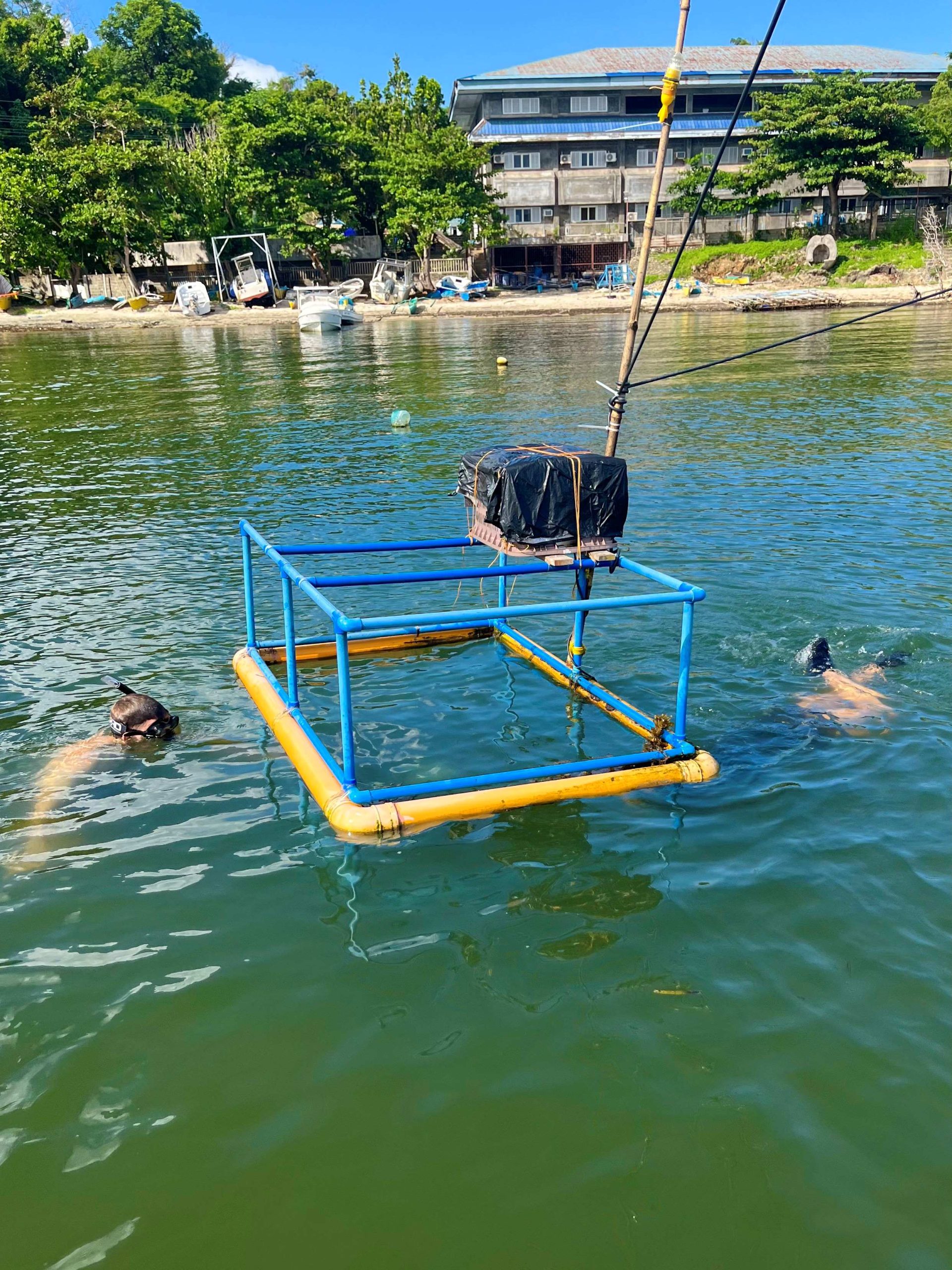
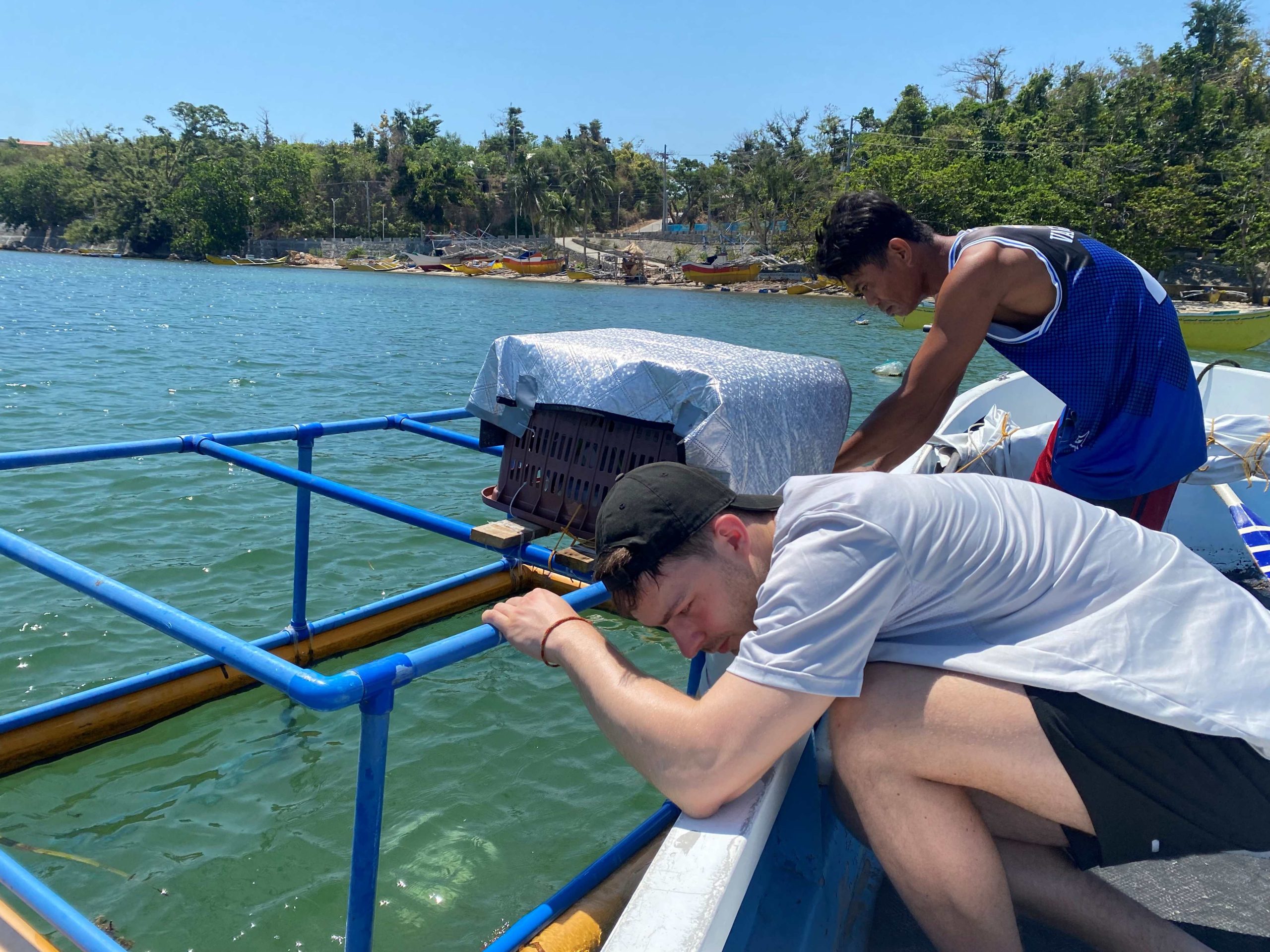
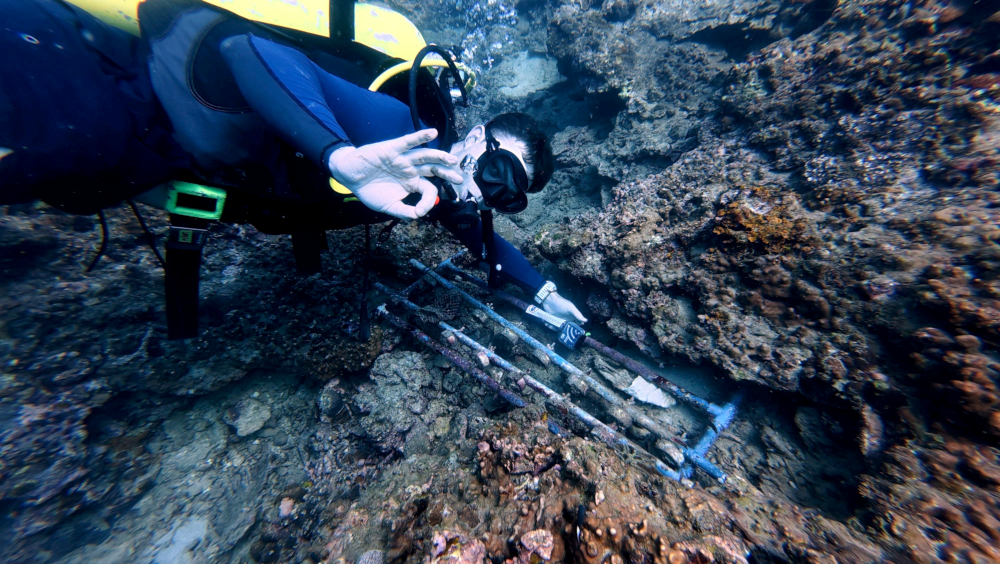
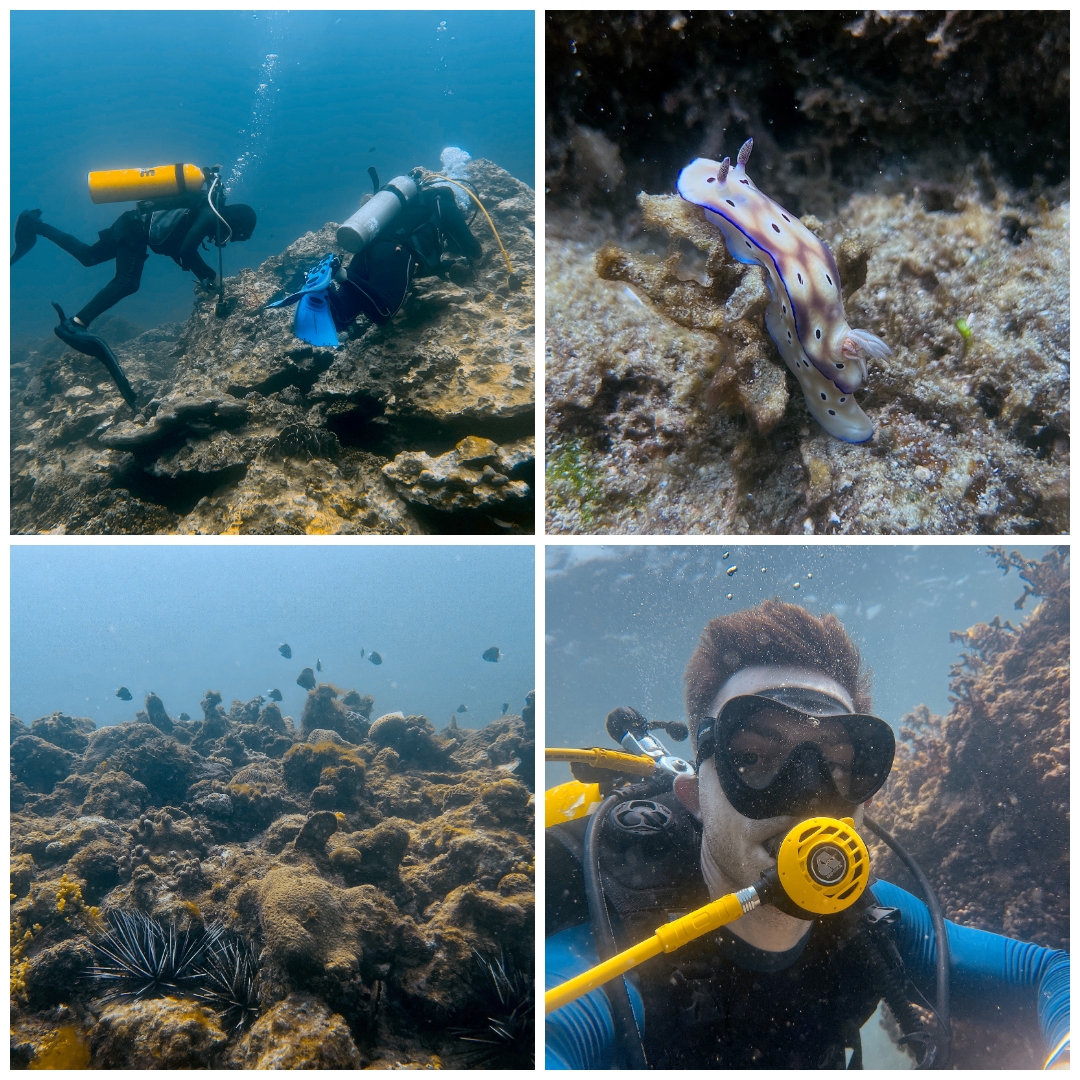
After some test runs, everything was ready and we could finally start the experiments. From that moment on, we regularly inspected the frames to check whether everything was still in place and whether there were any damages or malfunctions. So, we still had to go into the water almost every day. It was beautiful to make a small detour while working to see some nudibranchs, octopus or pufferfish and get to know the local underwater environment better every day. Once a month we took all the settlement panels out of the water to collect data about the abundance of single species and to document the community composition. Already after a few weeks in the water, many barnacles had settled on the panels. At a later stage, they dominated the artificial substrates together with macroalgae and black mussels. Furthermore, we could detect different species of ascidians, polychaetas, and hydrozoans, which, however, only occurred in very low abundances.
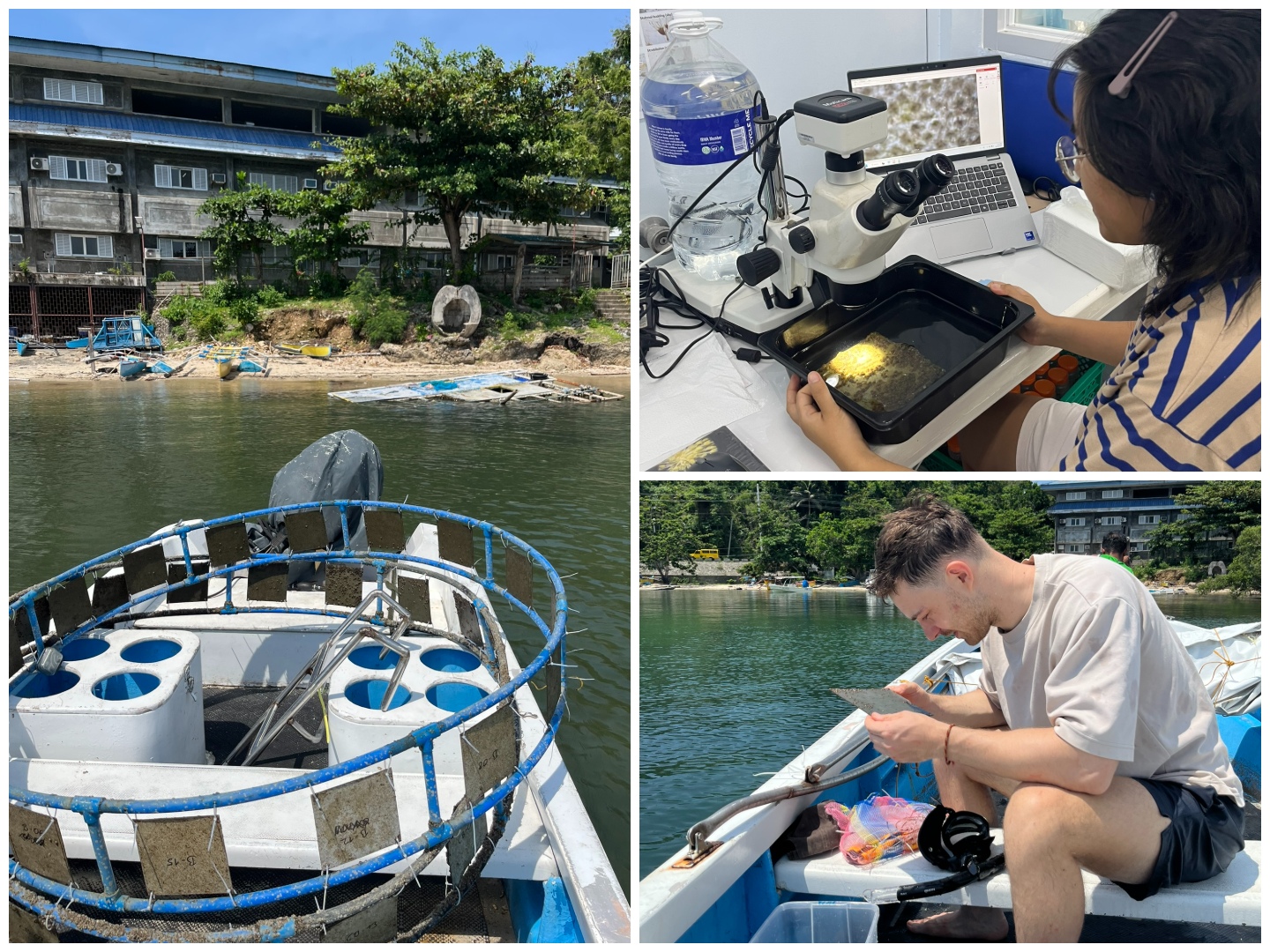
Alongside with the preparations of the experimental set up, every few weeks, Konstantin was able to join the coral research group during their fieldwork and went diving with them. This how we got our recordings of sounds from nearby healthy coral reefs. He deployed underwater microphones (hydrophones) while diving and since this task took only some minutes of the dive, he often still had enough air and time to enjoy the underwater world of the Philippines more closely.
Life in Bolinao
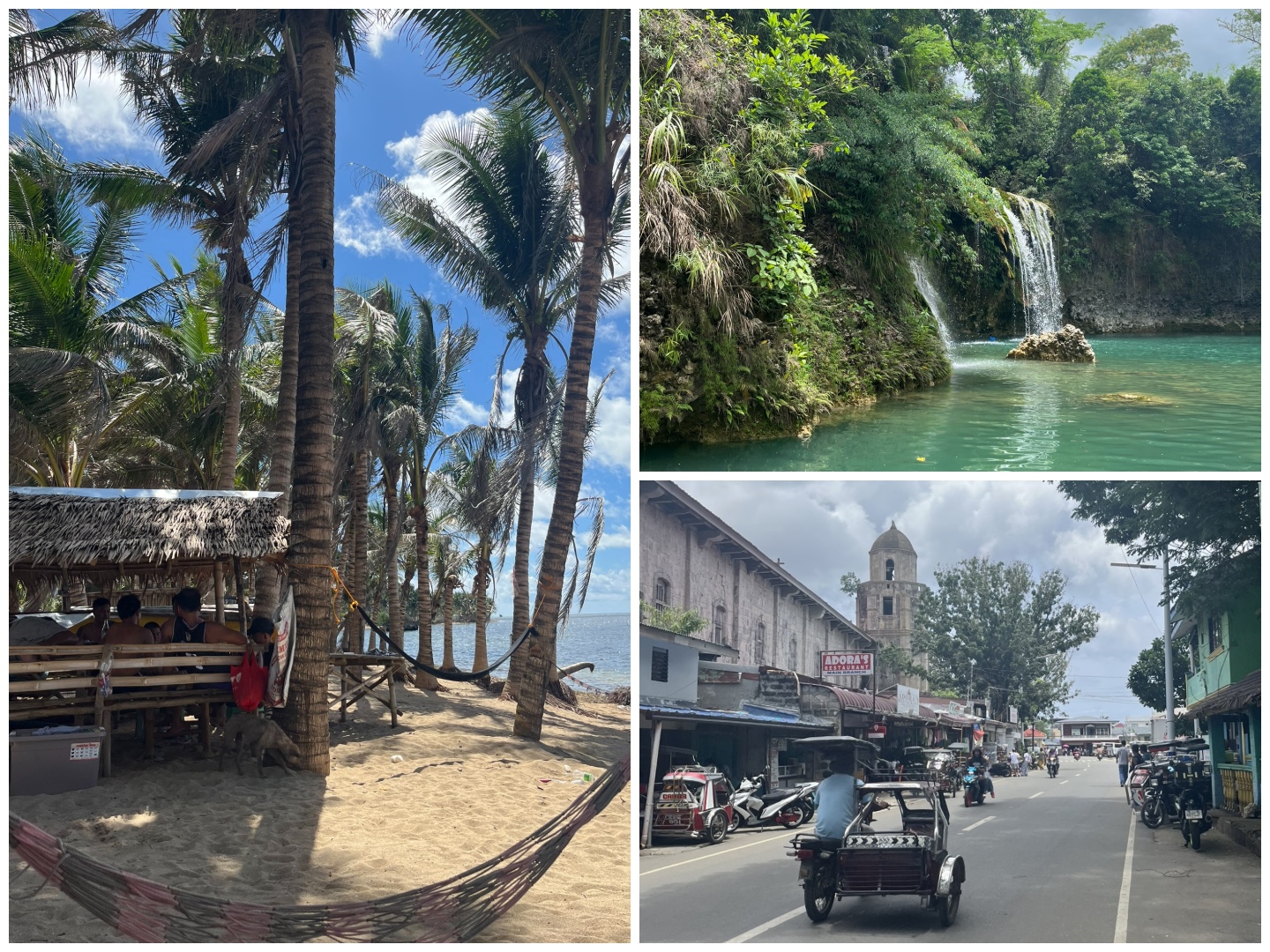
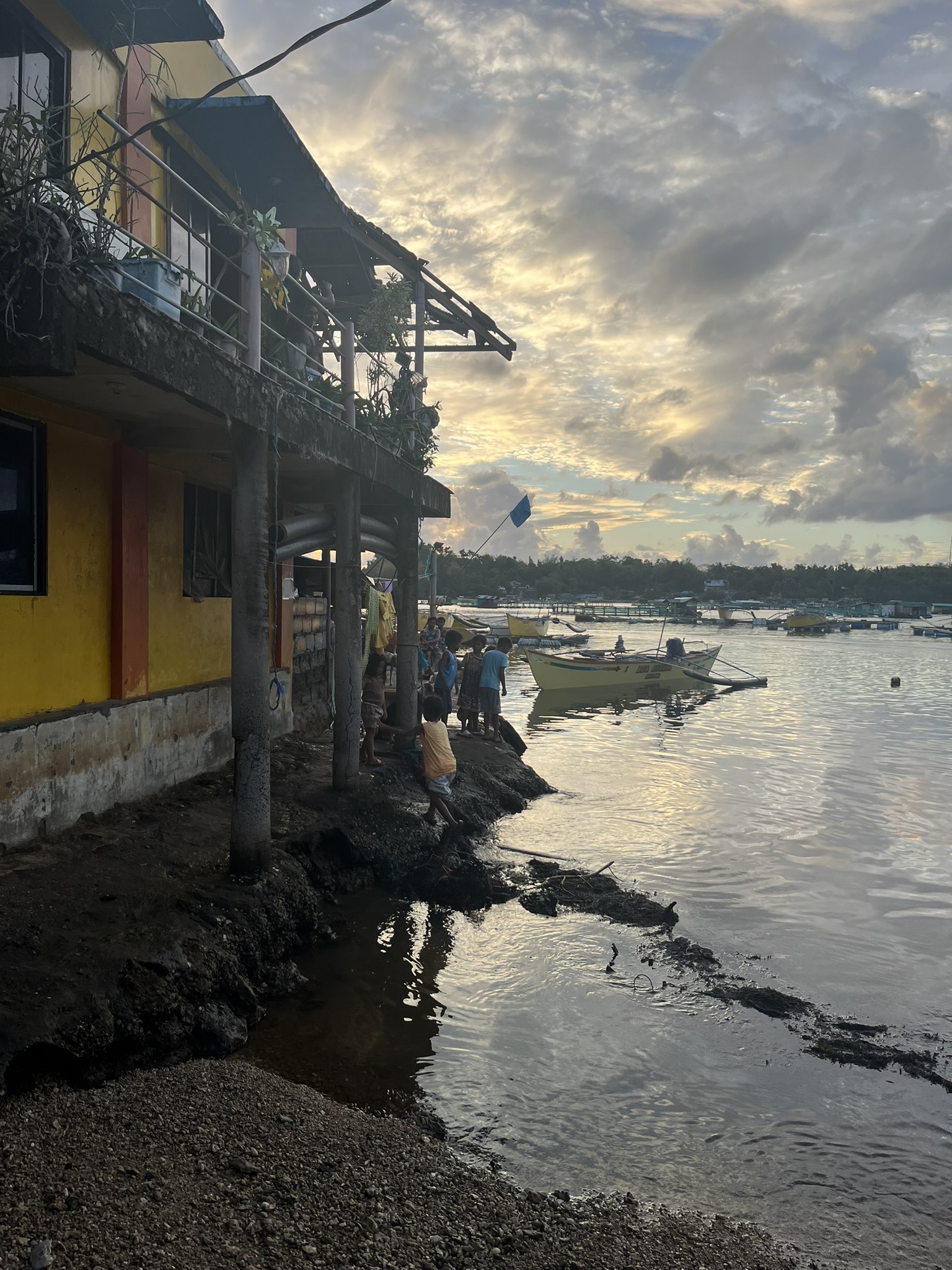
To put it in a nutshell, life here is a mix of relaxing beach vibes, lively markets in the city center and a wonderful community in and around the institute. A foundational value embedded in Filipino communities is Bayanihan, which embodies unity, cooperation, and collective volunteerism, where individuals work together toward a common goal without expecting personal gain or reward. This is something we feel and experience at the institute, as any individual is willing to provide help without asking for anything in return.
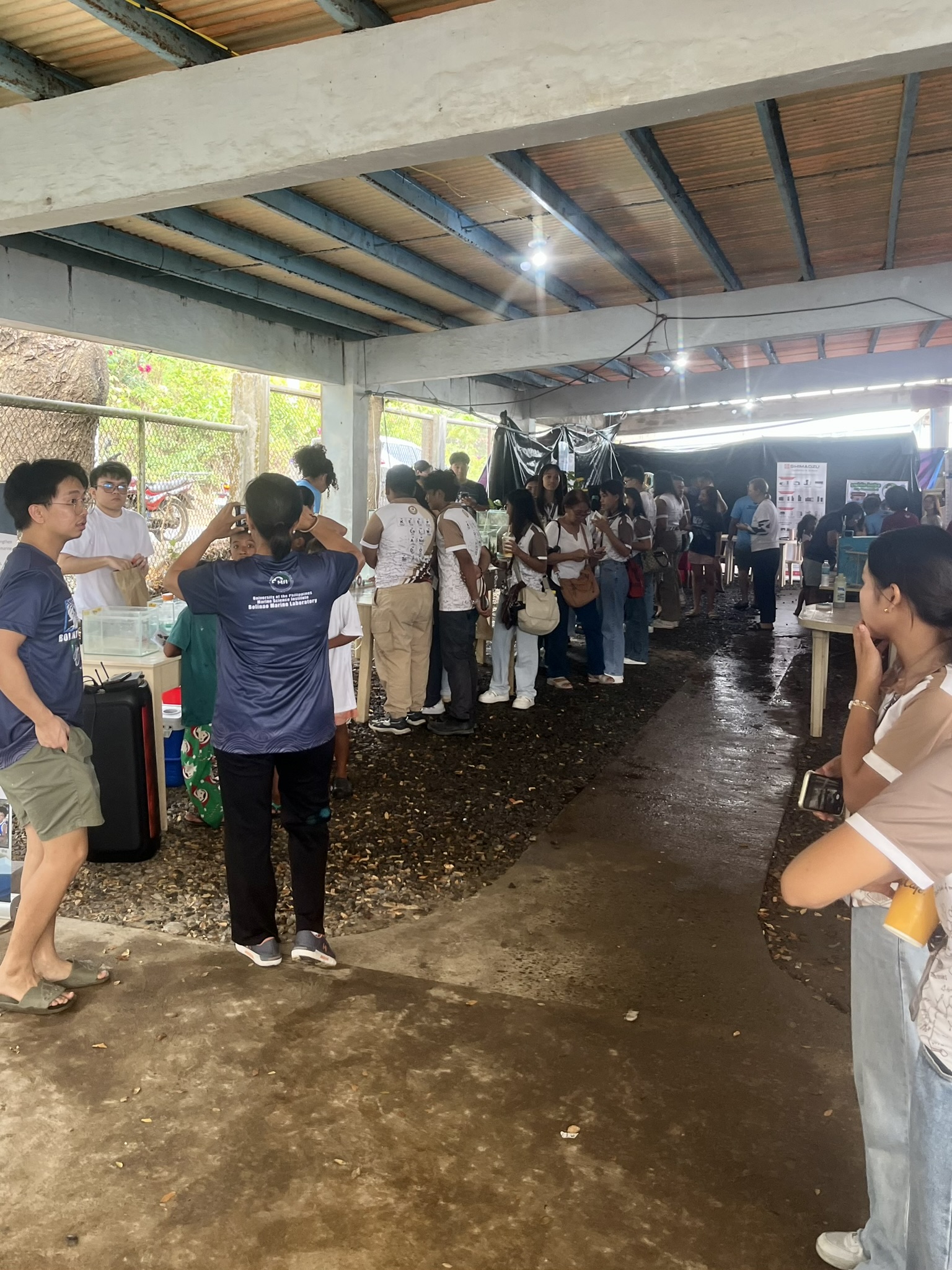
Science has a very strong application-oriented status here. Within the working groups at the institute, people often discuss the benefit of their research to the community. We also talked to local fishermen. They were very curious about our work and told us how they could already make use of previous research by the institute and increase their income at mussel farms.
Our experiment also could help these fishermen in the future. If we gain a better understanding of how soundscapes affect marine life, we could use that knowledge to prevent the decline of biodiversity in these waters. This would enable the community to secure stable access to the natural marine resources that serve as an important source of food and income here.
The end of our experiments
The Philippines experience 20 typhoons in a year on average and most of them hit the country during the northwest monsoon between July through October, which is overlapping with the last phase of our experiments. The frames we deployed were built to go along with the waves, but strong waves with heavy rains inflicted some damage on them. Because of that and since further storms were about to come, we decided to terminate the experiments some weeks earlier than planned.
We didn’t do much analysis of the data that we collected yet, but the first results are already fascinating. When comparing the communities that established under the influence of boat noise with those that developed in the absence of playbacks, it seems that the noise decreased the communities‘ biomass and biodiversity while it also altered their composition.
For assessing the dry weight of the organisms that colonized the panels, we scraped off everything that grew on their surfaces and dried this material in an electric dryer. After this work, the whole laboratory building smelled like a fish market. On the next day, we could already see that people took notice as many fans appeared on the hallway to blow away that smell. Luckily, everyone has been very kind and patient, helping us with ventilation and cleaning and simply putting up with the smell. Soon, our time here will come to an end, and we will head back to Kiel, Germany, to work on our data. We will be sad to say goodbye to all our colleagues and friends here, and we hope that the smell of fish will not be the only impression we leave behind!