This week, NASA’s Artemis II crew made history by flying around the Moon and returning safely to Earth, the first human journey to the Moon’s vicinity in more than 50 years. It was a stunning reminder that humanity is no longer just dreaming about living beyond Earth. We are actively rehearsing for it.
And that leads to a much stranger, deeper question: even if one day we build skyscrapers on the Moon, raise families there, and turn space into a place to live, will babies born away from Earth develop a normal sense of gravity? Or will their bodies learn the universe differently?
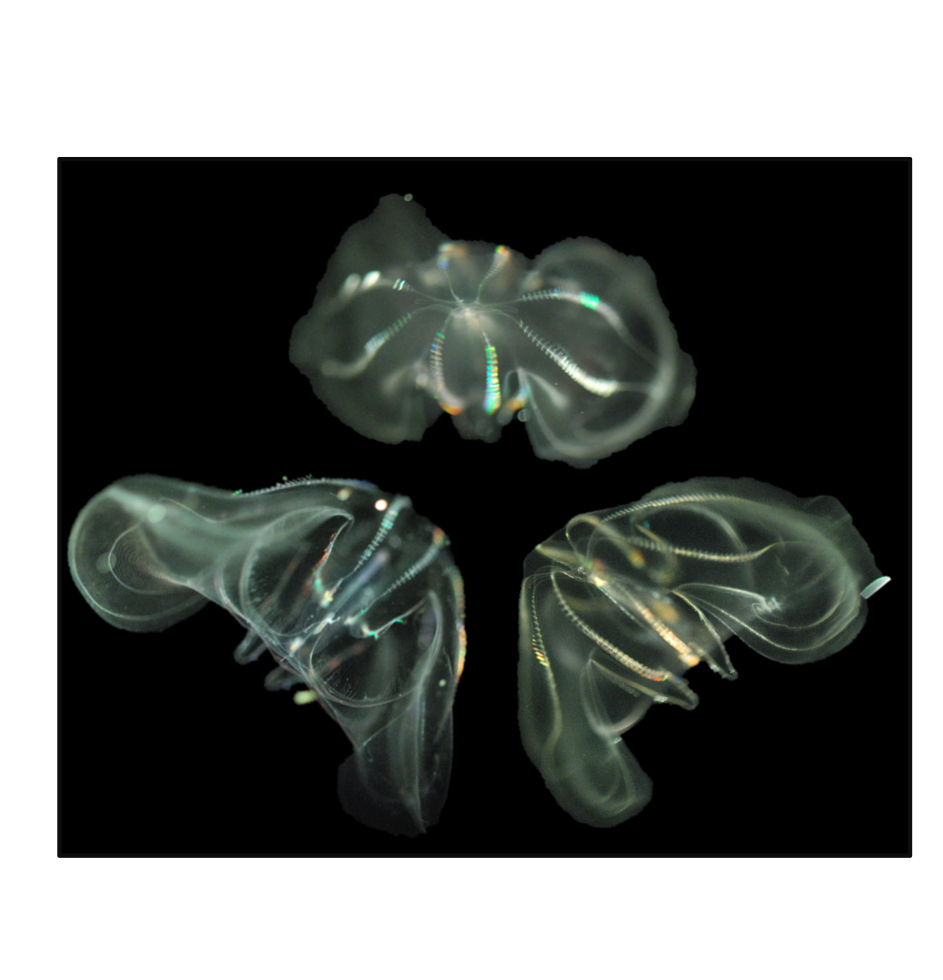
To explore that question, NASA once turned to an unexpected stand-in for human babies: jellyfish babies. On the STS-40 mission, scientists sent thousands of tiny jellyfish polyps into space because jellyfish, like humans, rely on gravity-sensing structures to orient themselves. The experiment asked a simple but profound question: if a living body develops in microgravity, will it still know how to handle gravity later?
The answer was both fascinating and unsettling. The jellyfish developed in space in large numbers, but once back under Earth’s gravity, the ones that had developed in microgravity showed far more pulsing abnormalities than the Earth-grown controls. In other words, their bodies formed, but their sense of balance did not seem to work quite the same way.
That is why this old jellyfish experiment still matters today. Before we imagine lunar cities, schools, nurseries, and generations born off-world, we need to ask not only whether humans can survive in space, but whether developing there changes how the body understands something as basic as up, down, and movement. Jellyfish babies cannot tell us everything about human children, but they may have given us one of the first clues that life born beyond Earth might not come home unchanged.
Reference: https://nlsp.nasa.gov/view/lsdapub/lsda_experiment/0c10d660-6b12-573d-8c3b-e20e071aed3b
Image: GEOMAR, Sarah Uphoff
Pingback: Humans Just Flew Around the Moon This Week. But Would Babies Born There Ever Truly Feel Gravity? Ask Jellyfish Babies. – breakingclimatechange.com